
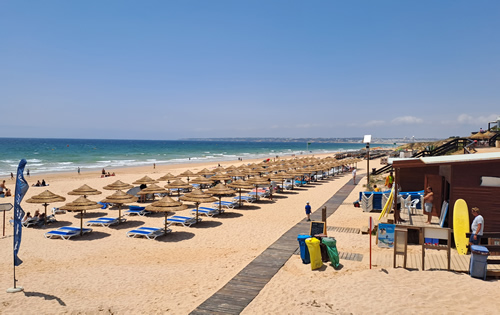
Here are some easy and beginner-friendly destinations to start an international life journey. These stand out for straightforward entry (visa-wise), established nomad communities, reliable internet/co-working options, reasonable costs, and English-friendly environments—making them low-stress starting points compared to more bureaucratic or remote locations.
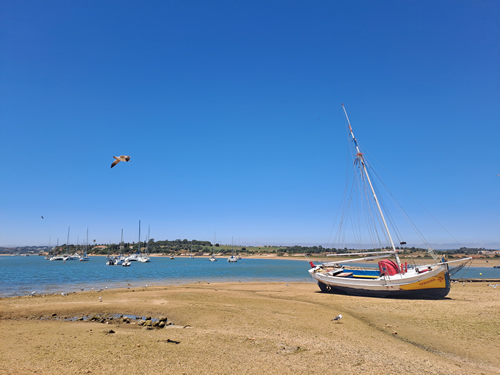
Portugal (e.g., Lisbon or Porto)
Portugal remains one of the most popular and accessible launches for English-speaking nomads. US and UK citizens can enter visa-free for up to 90 days (Schengen rules apply), then easily transition to the Digital Nomad Visa (often called D8), which is well-established, allows stays of 1+ years (renewable), and has moderate income requirements (around €3,000–€3,500/month, depending on updates).
Why easy to start: Thriving nomad scene with tons of co-working spaces, fast internet, affordable living outside peak tourist areas, great food/weather, and welcoming expat communities. Many begin here as a “soft landing” before exploring elsewhere in Europe. It’s especially straightforward for Brits post-Brexit and Americans due to streamlined processes and no major cultural shock.
Spain (e.g., Barcelona, Madrid, or Valencia)
Spain frequently ranks at or near the top for digital nomads in recent reports, thanks to its dedicated Digital Nomad Visa (introduced under the Startup Law). US and UK citizens qualify, with applications possible online or via consulate, offering 1-year stays (extendable up to 5 years in some cases) and a path toward longer residency. Minimum income is typically around €2,500–€3,200/month (tied to Spanish minimum wage multiples).
Why easy to start: Excellent infrastructure, high quality of life, walkable cities, strong healthcare, and vibrant nomad hubs with English widely spoken in expat areas. It’s beginner-friendly due to the clear visa benefits, Mediterranean lifestyle, and large community—many US/UK nomads start here for the balance of work, culture, and sun.
Mexico (e.g., Mexico City, Playa del Carmen, or Guadalajara)
Mexico is one of the easiest entry points for North Americans—no dedicated “digital nomad visa” needed initially, as US and UK citizens get visa-free entry for up to 180 days (often extendable or via border runs in practice). Many nomads simply live/work remotely on tourist status while building longer-term plans, with a Temporary Resident Visa available if staying longer (easy to apply for once there).
Why easy to start: Very close/time-zone friendly for US-based work, low cost of living, huge English-speaking expat/nomad communities (especially in beach towns and CDMX), fast internet in cities, and endless coworking/cafe options. It’s a top beginner choice for Americans due to proximity (cheap flights), familiar food vibes, and minimal paperwork hurdles to get going quickly.
Thailand (e.g., Chiang Mai or Bangkok)
Super easy entry: Visa-free for up to 60 days (extendable), with the Destination Thailand Visa (DTV) or long-stay options tailored for remote workers/freelancers—simple online applications, moderate income proof (~THB 500,000 in savings or equivalent).
Why easy to start: Massive nomad community (especially Chiang Mai’s “Digital Nomad Capital” feel), cheap living, fast internet, endless co-working/cafes, English widely spoken in nomad areas, and great food/weather. Time zone aligns decently with Aussie clients, and cheap direct flights make it a quick hop—many Aussies begin here before Europe or elsewhere.
Indonesia (e.g., Bali – Canggu or Ubud)
Visa-free for 30 days (extendable), or the easy Second Home Visa/Digital Nomad options (B211A or upcoming remote work streams) with low hurdles. Why easy to start: Proximity (short flights from major Aussie cities), huge English-speaking expat/nomad scene, affordable tropical lifestyle, solid internet in hubs, surf/beach/co-working culture. It’s a classic “first international life” spot for Aussies—familiar beach vibes, minimal culture shock, and easy to extend or move on.
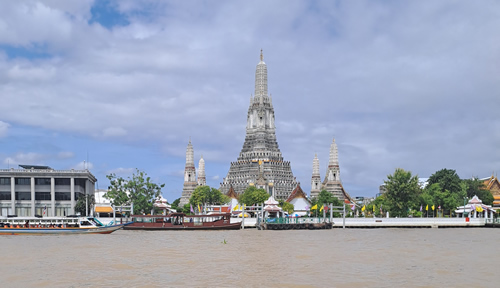
A rising European underdog—visa-free for US/UK/Aus/SA citizens up to 90 days (extendable), with a straightforward digital nomad visa in the works or easy long-stay options via tourist extensions/residency.
Why left field and easy to start: Super affordable (often cheaper than Portugal/Spain), stunning Adriatic coast/mountains, vibrant yet chill cities, fast-improving internet/co-working in Tirana, and a growing but not overcrowded nomad community. English is common in hubs, Mediterranean food/weather, and it’s a fresh alternative to saturated Balkans spots like Croatia. Great for Europeans/Aussies seeking something authentic and budget-friendly; South Africans appreciate the welcoming vibe and low costs. Georgia (e.g., Tbilisi or Batumi)
Visa-free entry for up to 1 year for US/UK/Aus/SA citizens—no dedicated DN visa needed initially, just arrive and stay/work remotely (many do this long-term).
Why left field and easy to start: Wildly underrated with epic Caucasus mountains/wine regions, affordable living (Tbilisi is a foodie/tech hub), blazing-fast internet, solid co-working scenes, and a super welcoming expat community. English is widespread in nomad areas, plus it’s culturally fascinating (ancient history meets modern flair). Time zones work decently for global work, and it’s a low-barrier “hidden gem” for those tired of Western Europe or SE Asia—perfect soft landing for adventure seekers from any of these countries. Mauritius (e.g., Grand Baie or coastal areas)
Visa-free or easy entry for up to 90-180 days (depending on nationality; extensions common), plus a dedicated Premium Visa (remote work permit) that’s straightforward to apply for online—open to most passports, including US/UK/Aus/SA, with moderate income proof. Why left field and easy to start: Tropical island paradise in the Indian Ocean—pristine beaches, hiking, Creole culture, excellent English/French, fast internet, and a small but quality nomad scene (less crowded than Bali). Affordable compared to similar islands, great for nature lovers, and proximity appeals to South Africans/Aussies (shorter flights/time zones). It’s a relaxing, high-quality-life escape with minimal bureaucracy—ideal for testing island nomad life without the hype.
These picks lean into emerging trends: Eastern Europe offshoots, Caucasus surprises, and African/Indian Ocean islands that are visa-accessible and infrastructure-ready but still feel fresh. They’re great for avoiding over-tourism while getting solid remote-work basics.